 Wine Tasting Firenze
Chianti vs Montalcino vs Montepulciano, From Florence
Last reviewed August 2026
Comparing Chianti vs Montalcino vs Montepulciano from Florence is really a question about distance. Chianti starts about 26 kilometres from the city and fits in a half-day; Montalcino and Montepulciano sit 110 to 120 kilometres south and take 10.5 hours door to door. The wines differ too, and this page sets out exactly how, but for most travellers the calendar decides before the grape does. Distances and durations here come from the listings on our Florence wine tasting comparison, read in August 2026.
Quick answer Three regions, three very different days, and the hours that decide between them
Chianti is the one to choose from Florence unless you have a specific reason not to: it starts about 26 kilometres out, a half-day works, and Sangiovese here is the wine most people came to Tuscany for. Montalcino means Brunello and a 10.5-hour day, because it sits 110 to 120 kilometres south. Montepulciano makes Vino Nobile, usually visited on the same long day, and its underground cellars are the reason to go. The deciding factor is not the wine. It is whether you can give up a full day.
Key takeaways
- Chianti: about 26 km, half-day trips from $38.40, the default and the right one for most trips
- Montalcino and Montepulciano: 110 to 120 km, one 10.5-hour day at $247.62
- Brunello is 100 percent Sangiovese aged for years; Chianti Classico blends and ages far less
- San Gimignano adds Vernaccia, the white, on a seven-hour trip with two wineries
- Two half-days in Chianti cost less than one day in the Val d'Orcia, and show you more cellars
- All three regions and their listings sit on the Florence wine tasting comparison
The Three Regions, Side by Side
What each one costs you in hours and euros
The wine differences are real but they are not what decides this. Distance is. Everything below is measured from Florence, and the prices are the lowest adult rate on the listings we compare, read in August 2026.
| Region | Distance from Florence | Time it takes | The wine | From |
|---|---|---|---|---|
| Chianti Classico | About 26 km to Greve | 5 to 6.5 hours | Sangiovese-based, three tiers by ageing | $38.40 |
| San Gimignano and its hills | About 55 km | 7 hours | Vernaccia, the white, plus Chianti reds | $99.05 |
| Montalcino | 110 to 120 km | Part of a 10.5-hour day | Brunello: pure Sangiovese, years in wood | $247.62 |
| Montepulciano | 110 to 120 km | Same day as Montalcino | Vino Nobile, plus cellars cut into the tufa | $247.62 |
Reading it honestly
For a three-night stay in Florence, Chianti is the answer and the others are a trap, however good the wine is. Ten and a half hours is a third of your waking time in the city, and you will spend most of it on a road through Siena province.
For a longer stay, or for a traveller whose interest in Tuscan wine has already moved past the entry tier, the Val d'Orcia day is the one that teaches something new. Two appellations, four tastings, and the tastings led by a sommelier or the winemaker rather than counter staff.
Chianti or Brunello: the Duel That Matters
Chianti Classico
- About 26 km out, so a half-day genuinely works
- From $38.40, and two half-days still cost less than one Val d'Orcia day
- Sangiovese with up to 20 percent other permitted grapes, in three ageing tiers
- The busiest circuit in Tuscany: the estates see a lot of coaches
- The right answer for a first Tuscan wine day
Brunello di Montalcino
- 110 to 120 km south, which means the whole day, every time
- $247.62, with lunch, four tastings and two appellations included
- Pure Sangiovese, aged for years before release, and priced accordingly
- Far fewer visitors per estate, and tastings led by a sommelier or the winemaker
- The right answer once Chianti Classico has stopped surprising you
Verdict Chianti for a first visit, a short stay, or a day out; Brunello when the wine itself is the reason you are in Tuscany and you can spare ten and a half hours to reach it.
What Actually Differs in the Glass
Same grape, three sets of rules
All three regions build on Sangiovese, which is why travellers assume the wines are variations of one thing. The rules pull them apart.
| Wine | The grape | Minimum ageing | What that does |
|---|---|---|---|
| Chianti Classico Annata | Sangiovese-based blend | 12 months | Fresh, fruit-forward, the everyday face of the grape |
| Chianti Classico Riserva | Sangiovese-based blend | 24 months | Oak integrated, longer on the palate |
| Chianti Classico Gran Selezione | At least 90 percent Sangiovese, estate grapes only | 30 months, 3 in bottle | The top tier, and the only one allowed to name one of the eleven zones |
| Brunello di Montalcino | Sangiovese alone | Years in wood before release | Denser and slower; a wine sold long after the vintage |
| Vino Nobile di Montepulciano | Sangiovese-based, locally called Prugnolo Gentile | Long, though less than Brunello | Structured, historically the noble wine of the two towns |
| Vernaccia di San Gimignano | Vernaccia, a white grape | Short | The one white on this list, and the reason to add the town |
What the tiers mean for a tasting
The Chianti Classico figures come from the consortium's own published parameters, and they are the reason a flight of three tiers teaches more than three glasses of the same wine. One grape, one set of hills, twelve months against thirty.
Brunello sits outside that ladder entirely: a separate denomination, a single grape and years of ageing before a bottle is released. It is the reason the Val d'Orcia day costs what it costs, and the reason nobody pours it as an afterthought on a Chianti half-day.
The eleven zones, and why Chianti is not one place
Treating Chianti as a single flavour is the mistake experienced tasters make on their first visit. The consortium recognises eleven additional geographical units within Chianti Classico, and a wine may name one only if it is a Gran Selezione: Castellina, Castelnuovo Berardenga, Gaiole, Greve, Lamole, Montefioralle, Panzano, Radda, San Casciano, San Donato in Poggio and Vagliagli.
Those names are altitudes and soils as much as villages. Lamole sits high and makes lighter, more aromatic wine; Castelnuovo Berardenga to the south is warmer and rounder. A tour that visits two estates in different zones is quietly showing you this, whether or not anyone says so.
It also gives you something to ask at the table. Which zone are we in, and what does it do to the wine, is a question every host on these hills can answer well.
What Each Day Feels Like
A Chianti half-day
South on the Via Chiantigiana, and the vines start within forty minutes. Two estates, cellar and rows at each, three or four wines per stop with bread, oil and salami. Free time to walk between the tastings, then back to Florence with the afternoon or the evening still available.
The character of it is a day out with wine in it. The estates on the circuit are working wineries used to visitors, the tastings run to a schedule, and the drive is short enough that nobody is tired. That is the honest reason it suits a first visit: it costs you an afternoon and gives you the whole shape of Tuscan winemaking.
A Val d'Orcia day
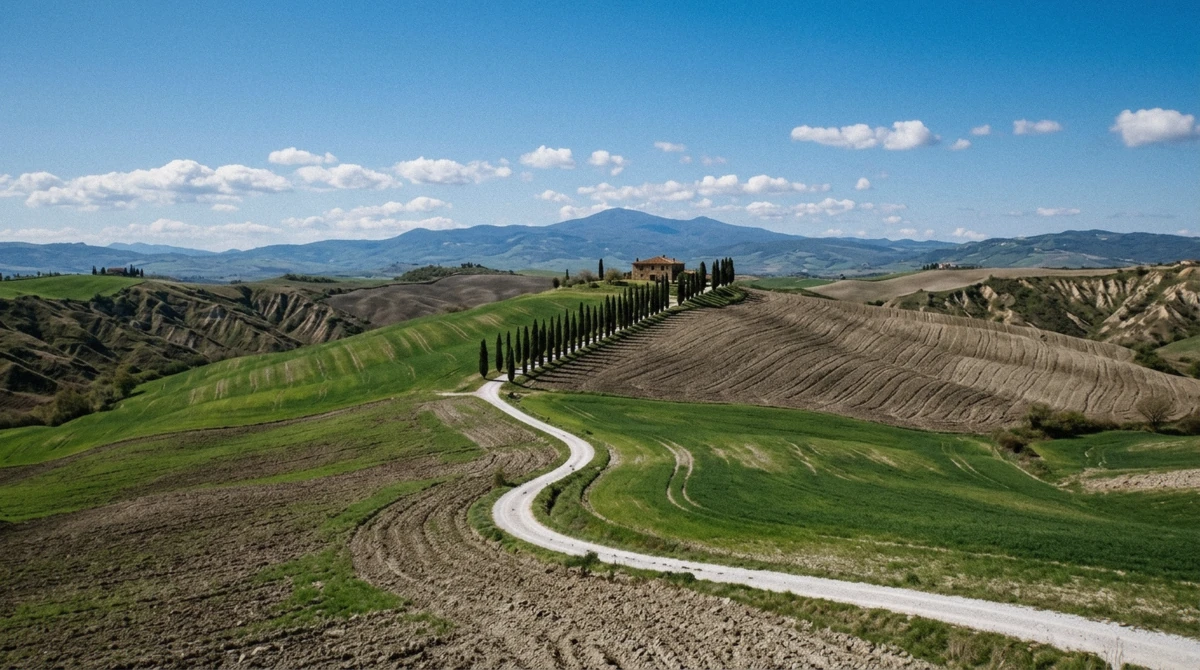
An early meeting at Piazza Antinori, then two hours south through Siena province, and a landscape that changes completely: the clay hills, the cypress lines and the isolated farmhouses that everyone has seen in photographs before they arrive.
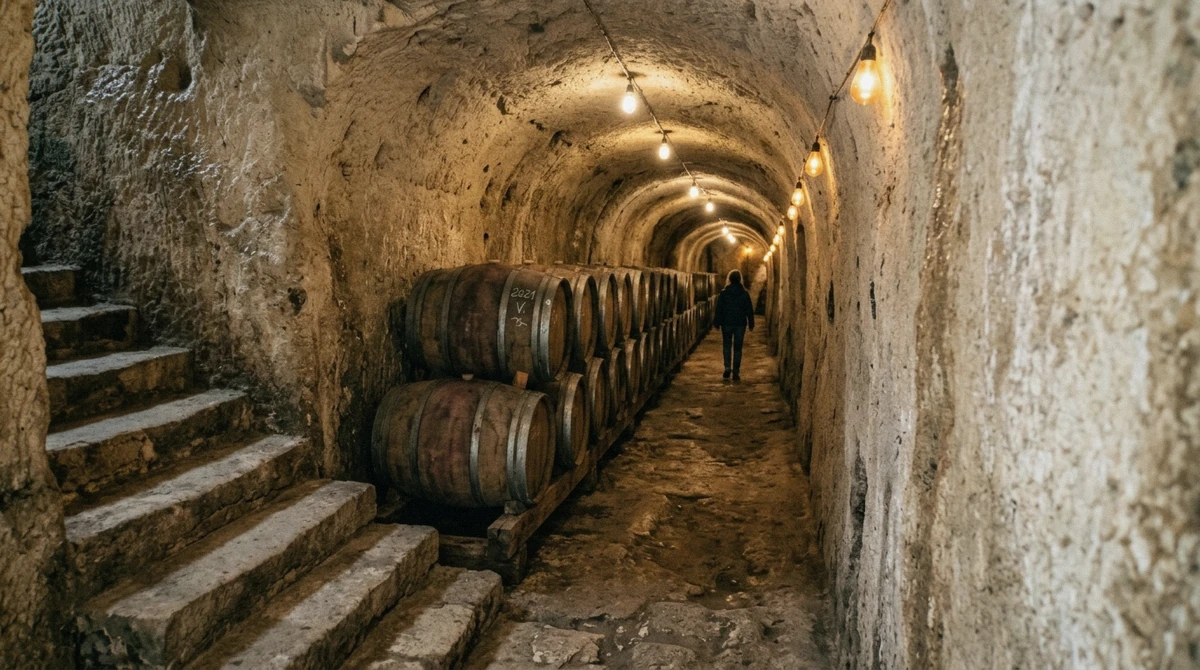
Montalcino first or second, Montepulciano the other way round, with four tastings across the day, a restaurant lunch and the tufa cellars under the town. It is a long day and it is a wine day: the driving is a driver's job, the tastings are led by a sommelier or the winemaker, and free time in each village is measured in minutes rather than hours.
What people underestimate is the return. You are back in Florence after 10.5 hours, and the evening is gone.
A San Gimignano day
Seven hours, two wineries and ninety minutes inside the walls of a town of medieval towers. It is the compromise for a party that does not agree: the wine drinker gets two cellars and up to seven wines, everyone else gets the town, the views and a glass of Vernaccia in a square.
The drawback is the same as every compromise. You are not seeing Chianti properly and you are not seeing San Gimignano at leisure. For a group that would otherwise argue about the day, that is a small price. The tour page has what each half of the day includes.
Two half-days instead of one long one
Here is the option nobody sells, because no operator makes money proposing it. If you have two free afternoons, two different Chianti half-days cost less than a single Val d'Orcia day and put you in four cellars instead of two.
The combination that works: a coach day at two wineries for the breadth, then the small-group minibus or the 4WD safari for the depth and the meal. Different estates, different vehicles, different halves of the hills, and both afternoons end in Florence with the evening intact.
Against that, the Val d'Orcia day gives you two appellations you cannot taste at source anywhere nearer, and the Brunello is genuinely a different wine rather than a better one. Choose by what you want to learn, not by which name you have heard of.
Which Region for Which Traveller
If You have one free afternoon
Chianti, on the 4.5-hour small-group trip or a coach half-day
If You want a town as well as a cellar
San Gimignano with two wineries: seven hours, and Vernaccia in the square
If Brunello is on your list specifically
The Val d'Orcia day, and accept the 10.5 hours it takes
If You have two free days
Two Chianti half-days at different estates beat one long drive, and cost less
If You are unsure and cost-sensitive
Start with the $38.40 Chianti half-day and decide from there
Region Questions Travellers Ask
Is Chianti or Montalcino better for a day trip from Florence?
Chianti, for almost everyone. It begins about 26 kilometres out so a half-day works, and it costs from $38.40. Montalcino is 110 to 120 kilometres south and only reachable on a 10.5-hour day.
What is the difference between Chianti Classico and Brunello?
Chianti Classico is a Sangiovese-based blend in three tiers, matured for 12, 24 or 30 months. Brunello di Montalcino is pure Sangiovese from a separate denomination, aged for years before release, which is why it costs more and travels further from Florence.
Can I visit Montalcino and Montepulciano in one day from Florence?
Yes, and the day compared here does exactly that: two winery tastings led by a sommelier or the winemaker, a tasting in each town, the underground cellars at Montepulciano and lunch, across 10.5 hours.
Where does Vino Nobile fit in?
Montepulciano makes it from a local Sangiovese clone, and it sits between Chianti Classico and Brunello in structure and price. It is usually tasted on the same Val d'Orcia day as Brunello rather than on a trip of its own.
Which region is best for white wine?
San Gimignano, which makes Vernaccia. Every other trip on this site pours Sangiovese reds, and the seven-hour San Gimignano day gives you an hour and a half in the town to try the white by the glass.
Is it worth going further than Chianti at all?
Only if the wine is the reason for the trip. A first-time visitor learns more from two Chianti estates in an afternoon than from six hours in a van to reach a more famous label.
Distance decides this, not the label on the bottle. Chianti is close enough to be an afternoon, which is why it carries most of Tuscany's wine tourism and why it is the right first answer. Keep Montalcino for the trip where you have a whole day to give it, and taste a Gran Selezione before you decide you have outgrown the nearer hills.
Every listing named on this page, with its hours and what it pours, sits on our guide to wine tasting in Florence.